


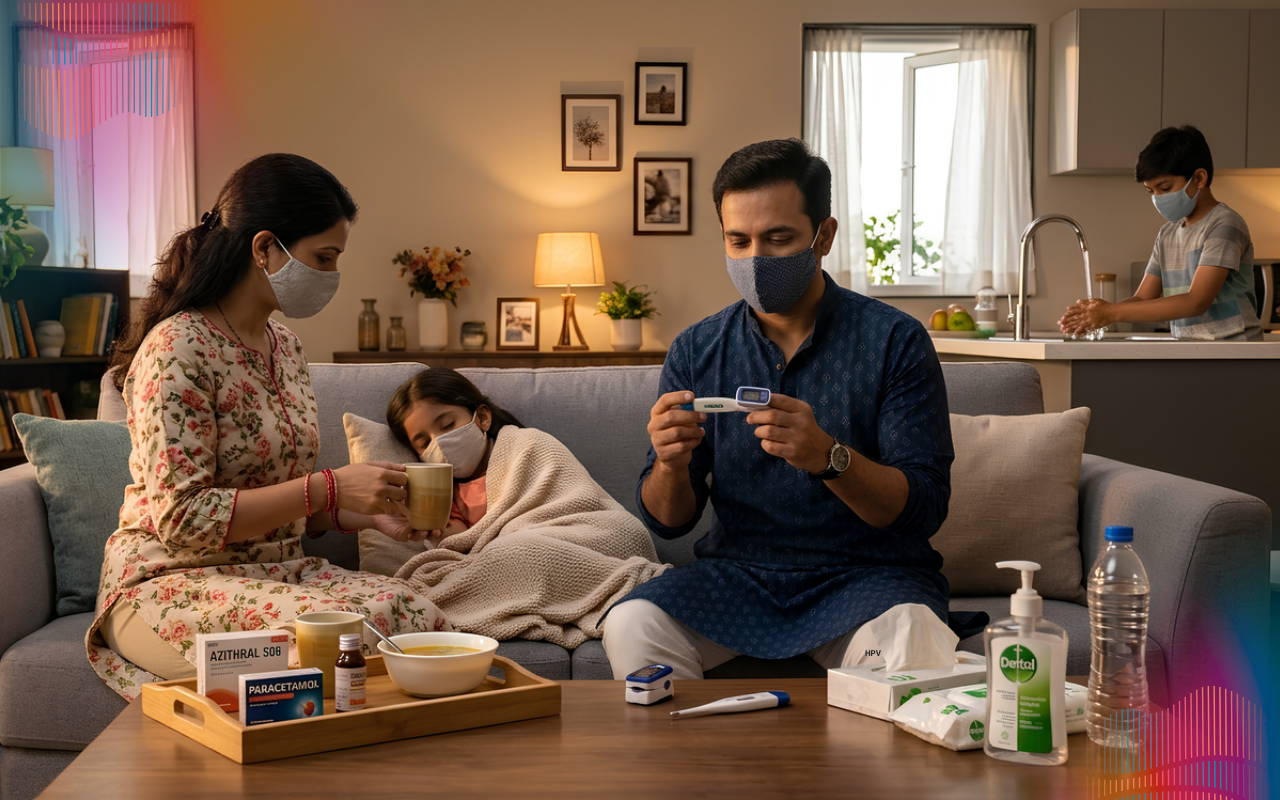

If you have noticed a sudden increase in discussions about respiratory infections or heard about friends feeling under the weather recently, you might be asking: Is COVID-19 making a comeback?
As of July 2026, health authorities across India have monitored localized spikes in reported COVID-19 cases. While the word "surge" often triggers anxiety after everything we have lived through, public health experts emphasize that the current situation calls for simple vigilance—not panic.
Here is what the verified data actually shows as of July 20, 2026, what health agencies are saying, and the most effective ways to stay healthy.
What the Latest Figures Show
According to public updates from India’s Ministry of Health and Family Welfare (MoHFW) and state health departments, India’s cumulative tally stands at over 45.05 million confirmed COVID-19 cases since the start of the pandemic.
In mid-to-late July 2026, health departments—including state advisories issued alongside assessments from the Integrated Disease Surveillance Programme (IDSP), the Indian Council of Medical Research (ICMR), and Christian Medical College (CMC), Vellore—noted a minor uptick in active cases in specific regions.
Key Takeaway from Health Officials: Public health authorities have clarified that this current increase reflects a mild seasonal uptick, similar to fluctuations observed during monsoon and seasonal transitions in previous years. Crucially, joint surveillance by the ICMR and IDSP reports no evidence of increased disease severity or the emergence of a new Variant of Concern (VoC).
Most reported cases present with mild, sub-lineage Omicron-like symptoms—such as a scratchy throat, low-grade fever, runny nose, and temporary fatigue—and resolve with standard home care and rest.
Why Do We See Periodic Spikes?
Viruses like SARS-CoV-2 have entered an endemic pattern. This means the virus continues to circulate in the population at baseline levels, occasionally rising due to:
Weather Shifts: The monsoon season creates cooler, humid environments where respiratory viruses spread more easily indoors.
Waning Immunity: Immunity from previous infections or vaccinations naturally softens over time, leaving people slightly more susceptible to mild re-infections.
Seasonal Gatherings: More time spent in enclosed, air-conditioned spaces during rains increases indoor viral transmission.
How to Protect Yourself and Your Family
While health officials re-assure that there is no cause for widespread alarm, taking everyday precautions helps protect vulnerable family members, such as elderly relatives or individuals with pre-existing health conditions.
1. Practice Good Hand and Air Hygiene
Wash Hands Frequently: Use soap and water for at least 20 seconds after coming home from public places or handling public surfaces.
Ventilate Indoor Spaces: Keep doors and windows open when possible to ensure fresh air circulates through rooms.
2. Wear Masks in Crowded, Enclosed Spaces
You don't need to mask up everywhere, but wearing a well-fitted mask (such as an N95 or 3-ply surgical mask) in packed metro trains, buses, hospitals, or poorly ventilated indoor venues significantly cuts down your risk of catching or spreading respiratory bugs.
3. Manage Symptoms Wisely
Stay Home If Unwell: If you develop a fever, cough, or sore throat, isolate yourself for a few days to avoid spreading illness to co-workers or family.
Hydrate and Rest: Fluid intake, warm steam inhalation, and proper sleep help your immune system bounce back quickly.
Consult a Doctor Before Medicating: Avoid taking antibiotics unnecessarily, as COVID-19 is a viral infection and antibiotics do not treat viruses.
4. Know When to Seek Testing
If symptoms persist beyond 3–4 days, or if you experience severe breathlessness, persistent chest discomfort, or high fever that doesn't subside with basic fever reducers, consult a qualified physician immediately and get tested as advised.
The rise in COVID-19 cases in July 2026 is a reminder that the virus is still around, but our tools to manage it- widespread baseline immunity, reliable medical guidance, and simple hygiene practices- are stronger than ever. By staying informed through verified sources like the Ministry of Health and Family Welfare (MoHFW) and practicing basic wellness precautions, you can keep yourself and your community safe.



 admin@zyephr.com


