




We’ve all had those days where the sun goes down, the laptop is still open, and suddenly it’s 9:00 PM before we even think about what’s for dinner. In our busy, "always-on" world, late-night dining has become the norm rather than the exception. We often focus so much on what we are putting on our plates, counting calories, tracking macros, and adding kale to everything, that we completely forget to look at the clock. However, emerging science suggests that the timing of your dinner might be just as impactful on your waistline and energy levels as the food itself.
The Internal CEO: Your Circadian Rhythm
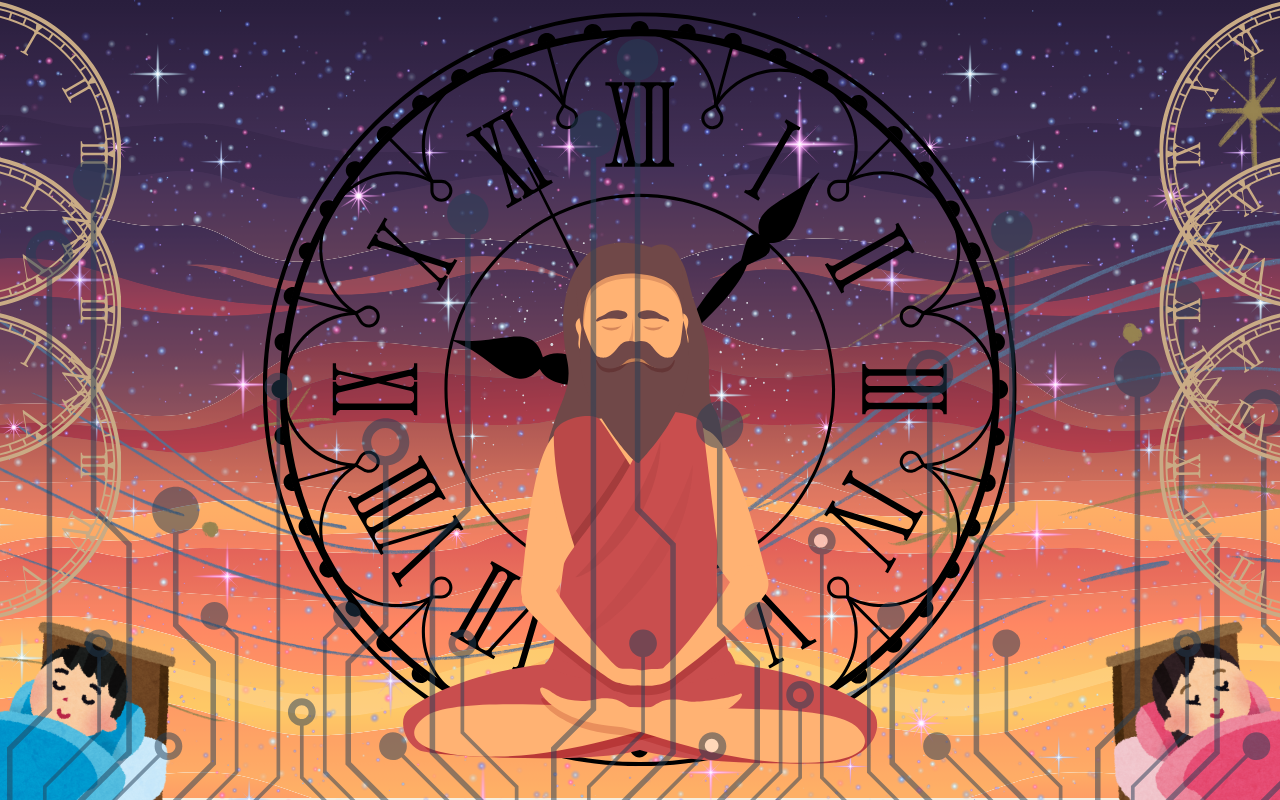
The primary reason dinner timing matters so much comes down to something called your circadian rhythm. Think of this as your body’s internal CEO that manages a very strict schedule. During the day, this CEO is in "work mode," making sure your metabolism is firing on all cylinders to turn food into fuel. But as evening approaches, the CEO starts turning off the lights and preparing the system for sleep. When you eat a heavy meal at 9:00 PM, you’re essentially forcing your body back into the office after hours. Because your system is already winding down, it doesn’t process that food nearly as efficiently as it would have at 7:00 PM.
Metabolic Tug-of-War
One of the most significant differences between an early and late dinner is how your body handles blood sugar. When you eat earlier in the evening, your body is still primed to manage insulin effectively. By the time you head to bed, your blood sugar has had time to stabilize. On the flip side, eating at 9:00 PM often leads to higher glucose peaks that stay elevated while you sleep. Over time, these late-night spikes can lead to insulin resistance and unwanted weight gain. Essentially, by eating at 7:00 PM, you’re giving your body a head start on digestion, allowing it to burn off energy while you’re still moving around, rather than storing it as fat while you dream.
Why Your Sleep Depends on Your Plate
Then there is the issue of sleep quality—which, let's be honest, we could all use more of. Digestion is actually a very active, heat-generating process. For you to fall into a deep, restorative sleep, your core body temperature needs to drop slightly. If your stomach is still churning through a 9:00 PM meal, your internal temperature stays elevated, which can lead to tossing, turning, and waking up feeling groggy. Furthermore, lying down shortly after a late meal is the quickest way to trigger acid reflux or "silent" heartburn, which interrupts your sleep cycles even if you don’t fully wake up.
Power of the 12-Hour Reset
Moving your dinner up to 7:00 PM also creates a natural, effortless fasting window. If you finish eating by 7:30 PM and don’t have breakfast until 7:30 AM, you’ve given your body a solid 12 hours to focus on "cellular cleanup" rather than just processing calories. This break allows your gut to rest and your body to tap into stored fat for energy overnight. It’s a simple shift that doesn’t require a restrictive diet, yet it offers profound benefits for your metabolic health and digestive clarity.
Navigating the "Late-Night" Reality
Of course, life happens. There will be nights when a 7:00 PM dinner is impossible. When those nights hit, the trick is to keep things light. Opting for easy-to-digest proteins and cooked vegetables rather than heavy, greasy, or spicy foods can help minimize the "9:00 PM penalty." However, making 7:00 PM your baseline goal is one of the easiest ways to align your lifestyle with your biology. By simply shifting the clock, you aren't just eating dinner; you're giving your body the gift of better digestion, deeper sleep, and a much happier internal executive.





 admin@zyephr.com


