

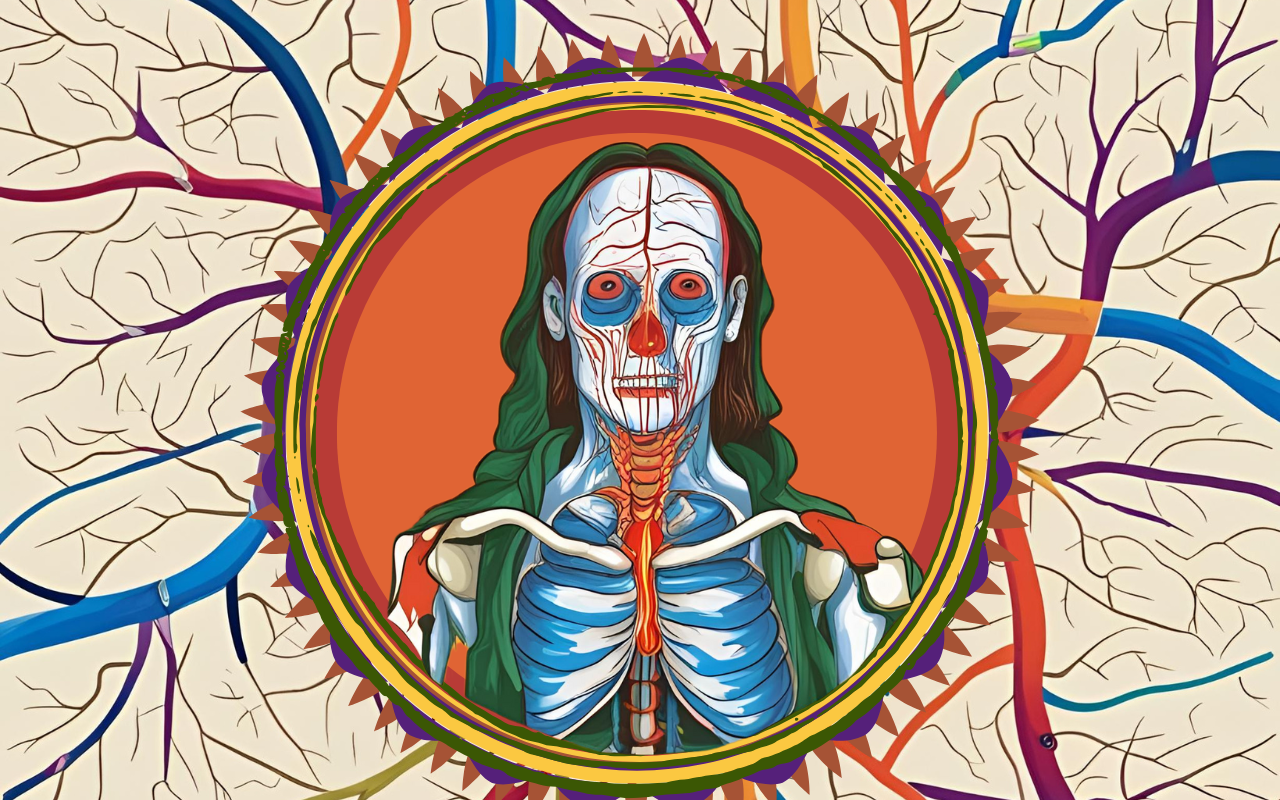
Imagine waking up one day feeling a strange tingling in your legs. By evening, you struggle to walk, and within days, your whole body feels weak. Sounds scary, right? This is what happens in Guillain-Barré Syndrome (GBS)—a rare but serious condition where the body's immune system mistakenly attacks its own nerves.
What is Guillain-Barré Syndrome?
GBS is an autoimmune disorder, which means the body's defense system turns against itself. Instead of fighting off germs, it starts attacking the nerves that help us move, feel, and function properly. This can lead to weakness, numbness, and even paralysis in severe cases.
What Causes It?
Doctors aren’t sure why GBS happens, but it often follows an infection like the flu, food poisoning, or even COVID-19. In some rare cases, it can be triggered by a recent vaccination or surgery. The immune system, which is supposed to protect you, overreacts and starts damaging the nerve coverings, making it hard for signals to travel between the brain and muscles.
Symptoms to Watch Out For
- Tingling or numbness in the legs and feet
- Weakness that spreads to the arms and face
- Loss of balance or trouble walking
- Severe pain, especially at night
- Difficulty breathing or swallowing (in serious cases)
GBS can progress quickly, so if someone starts experiencing these symptoms, they need immediate medical attention.
Can It Be Treated?
Yes! While there is no cure, treatments can help stop the damage and speed up recovery.
- Plasma exchange (plasmapheresis): Cleans the blood to remove harmful substances.
- Intravenous Immunoglobulin (IVIG): Gives the body healthy antibodies to fight back.
- Physical therapy: Helps regain strength and movement over time.
- Ventilator support: If breathing is affected, patients may need temporary machine assistance.
Recent Outbreak in India
India has recently seen a rise in GBS cases, with reports of clusters emerging in certain regions. Experts believe this may be linked to a post-viral immune response following infections like dengue and viral fevers, which have been widespread. Hospitals have been on high alert, ensuring early diagnosis and prompt treatment to manage the condition effectively. Health authorities are urging people to stay aware of symptoms and seek medical help immediately if they notice any signs of weakness or numbness.
What’s the Recovery Like?
Most people recover within a few months to a couple of years, but some may have lingering weakness or fatigue. Early treatment can make a huge difference in recovery speed and success.
Final Thoughts
GBS is rare, but it’s important to recognize the symptoms early. If you or someone you know experiences sudden weakness or trouble moving, don’t wait—seek medical help immediately. The sooner it’s treated, the better the chances of a full recovery!


 support@zyephr.com


