




Cancer is one of the scariest health topics for a reason. But there’s a side of the conversation that deserves more attention and less fear- A large number of cancers are linked to lifestyle and preventable risk factors.
This does not mean cancer is anyone’s fault. Genetics, environment, and random chance can still play a role. But it does mean you have more control than you think.
What “Preventable Cancer Risk” Actually Means
When experts say a cancer is preventable, they usually mean the risk is influenced by things we can reduce—like tobacco, alcohol, obesity, poor diet, inactivity, and delayed screening.
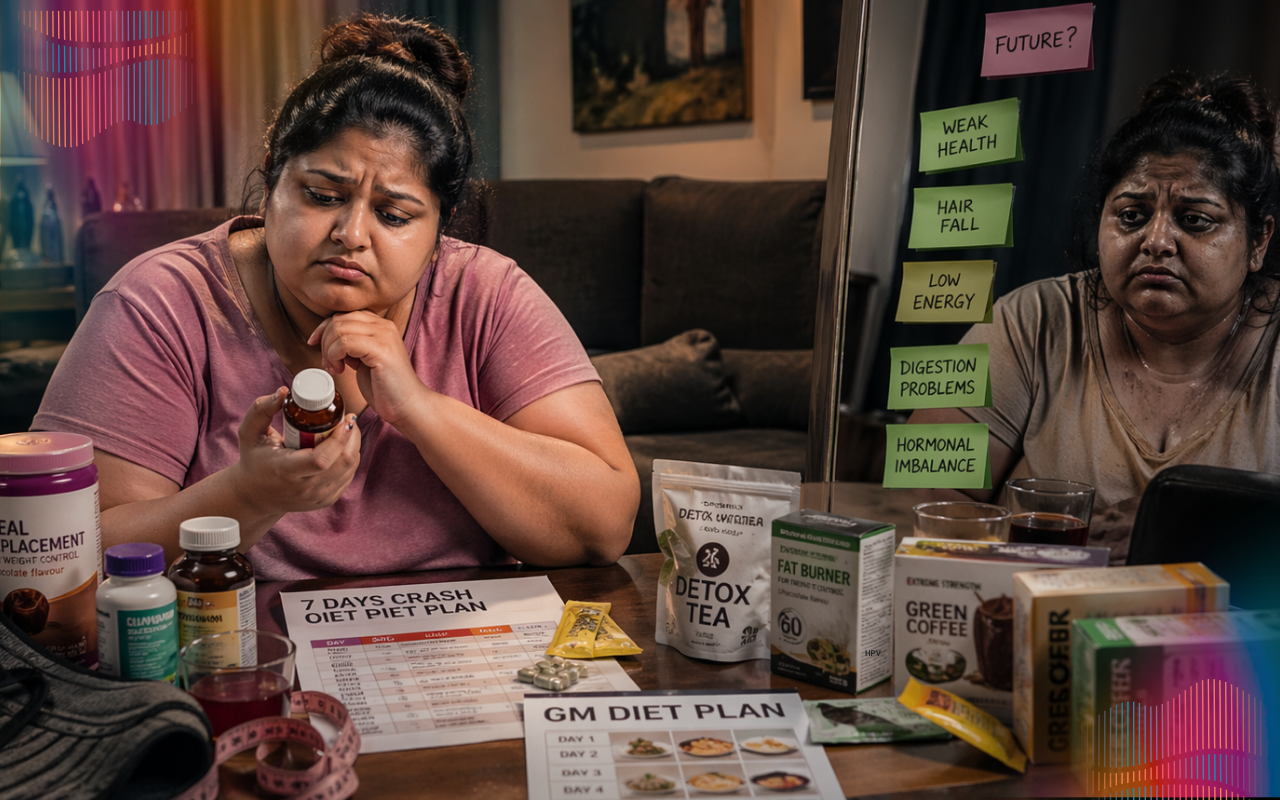
Prevention doesn’t require extreme diets or perfect living. It requires consistency with the big basics.
The Risk Factors That Matter Most
Smoking remains the strongest preventable risk. But what surprises many people is how much cancer risk is also linked to metabolic health.
Obesity, insulin resistance, chronic inflammation, and poor diet can increase the risk of multiple cancers over time.
Alcohol is another underestimated factor. Many people think “only heavy drinking counts,” but even moderate drinking has been linked to increased risk for certain cancers.
Lack of physical activity also matters. Movement supports immunity, hormone balance, digestion, and weight regulation—all of which influence long-term risk.
Prevention Is Not One Big Change
Most people think cancer prevention means doing something dramatic. In reality, prevention works like compound interest.
Small habits repeated for years create huge outcomes.
Eating more fibre, reducing ultra-processed foods, keeping blood sugar stable, moving your body regularly, and sleeping consistently are not “trendy.” They are powerful.
Screening: The Most Ignored Prevention Tool
Lifestyle matters, but screening is also prevention—because it catches issues early.
Many cancers don’t show symptoms in the early stages. By the time symptoms appear, the disease may already be advanced.
That’s why routine screening matters, especially for cervical cancer, breast cancer, colon cancer, and oral cancer.
Early detection doesn’t just save lives—it reduces treatment burden and improves recovery.
You can’t control every cause of cancer. But you can reduce many preventable risks through simple daily habits.
Prevention is not about fear. It’s about giving your future self the best odds.
Start with one change this week. Then build from there.




 admin@zyephr.com


