


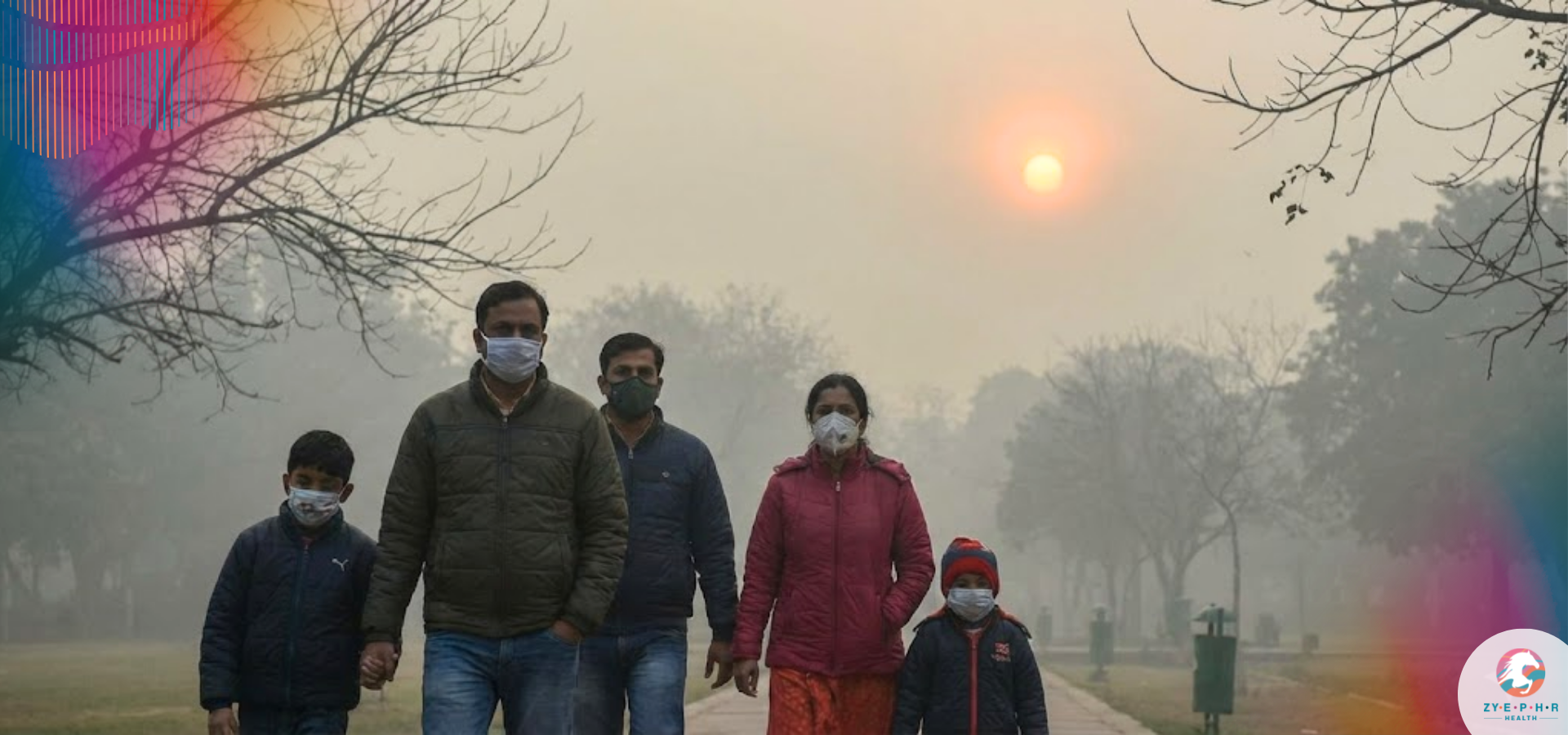

Air pollution is often treated like a background problem. We notice it when the sky looks grey, when our throat burns, or when our eyes sting.
But dust storms and seasonal smog are more than discomfort—they are real health threats.
And the scariest part is this: you don’t need to feel sick for pollution to affect your body.
Why Dust Storms Are a Serious Health Risk
Dust storms carry tiny particles that enter your nose, throat, and lungs. Some particles are so small they can reach deep into the lungs and even enter the bloodstream.
This is why dust storms can trigger:
- Asthma attacks and breathing difficulty
- Allergies, sinus issues, and throat irritation
- Bronchitis and chest infections
- Eye irritation and headaches
For children, older adults, and people with asthma, COPD, or heart disease, the risk is higher.
Air Pollution and Long-Term Disease Risk
The short-term symptoms are obvious. The long-term damage is quieter.
Chronic exposure to air pollution has been linked with:
- Reduced lung capacity
- Chronic inflammation
- Higher risk of heart disease
- Increased stroke risk
- Lower immunity and frequent infections
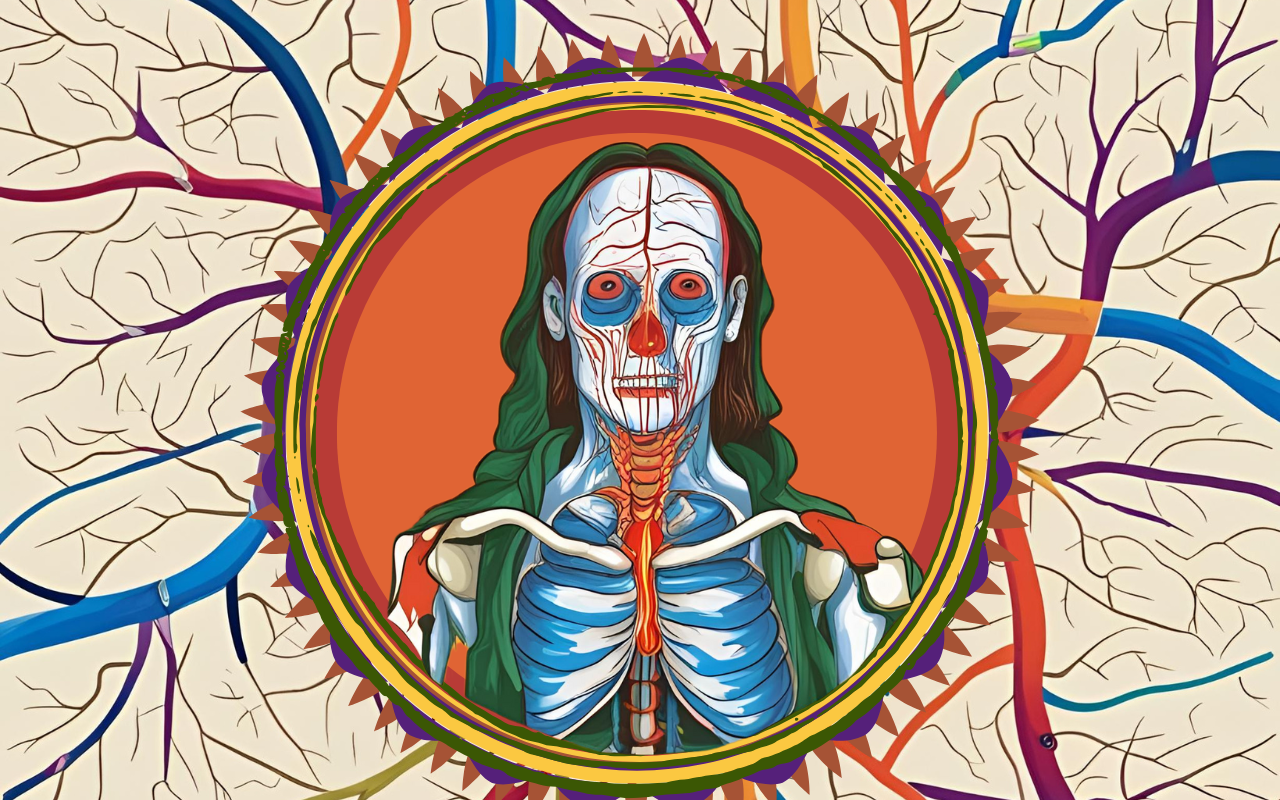
Air pollution doesn’t just affect the lungs. It affects the whole body, especially the heart and blood vessels.
How to Protect Yourself on High AQI Days
Protection doesn’t need to be complicated.
The most important step is reducing exposure during peak pollution hours. Staying indoors during dust storms, closing windows when the air is heavy, and using a mask if you must step outside can reduce risk.
Simple hygiene also helps. Washing your face, rinsing your eyes, and staying hydrated can reduce irritation and inflammation.
Dust storms and smog are not just “weather.” They are health risks—especially for your lungs and heart.
If you live in a high-pollution area, protecting yourself is part of modern preventive healthcare. The goal isn’t panic. The goal is smarter daily choices.




 admin@zyephr.com


