


For decades, the idea of artificial intelligence in medicine sounded like pure science fiction—autonomous robots running operating rooms or computer algorithms making life-or-death decisions without human oversight. Today, the reality is far more practical, grounded, and deeply human.
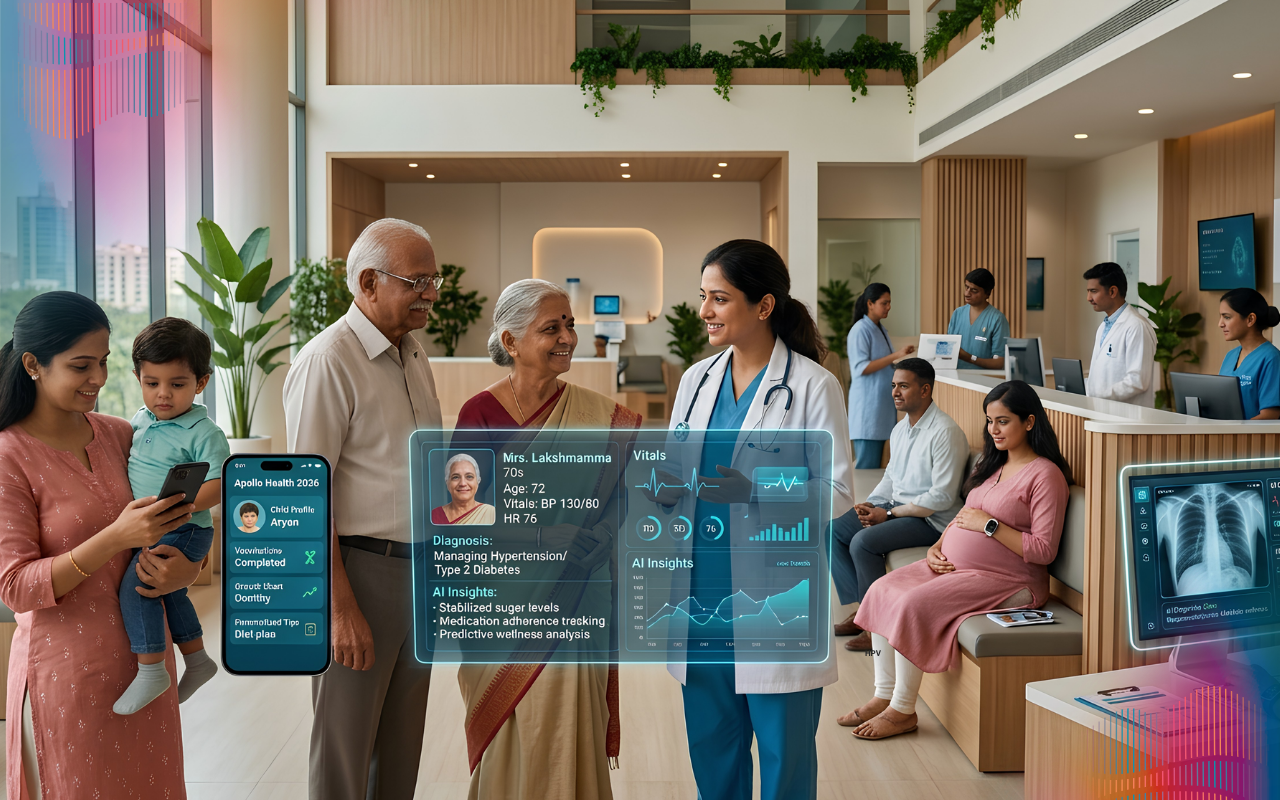
AI is not replacing your doctor. Instead, it is rapidly becoming the ultimate assistant behind the scenes—helping physicians catch diseases earlier, reducing administrative burnout so clinicians can spend more time talking to patients, and tailoring treatments to your unique biology.
According to global health leadership at the World Health Organization (WHO) and clinical studies published in leading journals like The Lancet, AI tools are already shifting healthcare from a reactive system (treating you when you fall ill) to a predictive and preventative one.
Here is what this technological transformation actually means for you as a patient when you walk into a clinic or hospital today.
1. Faster, More Accurate Diagnoses
One of AI's greatest strengths lies in pattern recognition—specifically, analyzing vast amounts of visual data in seconds.
Radiology and Pathology: Deep-learning algorithms can analyze X-rays, MRIs, and CT scans to flag subtle abnormalities that the human eye might overlook. According to research validated by the U.S. Food and Drug Administration (FDA)—which has cleared hundreds of AI-enabled medical devices—AI imaging tools help radiologists spot early-stage breast cancer, lung nodules, and cerebral hemorrhages significantly faster.
Dermatology: AI-driven image analysis tools allow doctors to evaluate skin lesions and moles, helping distinguish benign spots from aggressive melanomas early when treatment is most effective.
What it means for you: Shorter waiting times for test results, fewer unnecessary biopsies, and higher accuracy in catching serious conditions before they advance.
2. Treatments Tailored Specially to Your DNA
Traditionally, medical treatments have followed a "one-size-fits-all" approach: if ten patients have the same diagnosis, they often receive the same medication. However, human biology is far more complex.
Precision Medicine: AI algorithms analyze complex datasets—combining your genetic profile, medical history, lifestyle factors, and environmental exposures—to predict which specific drug or therapy will yield the best result with the fewest side effects.
Oncology Advances: In cancer care, AI platforms help oncologists map tumor genetics to match patients with targeted therapies or active clinical trials best suited to their specific cancer profile.
What it means for you: Less trial-and-error with medications, fewer adverse drug reactions, and therapies customized to your body's exact needs.
3. Smarter Monitoring and Wearable Health Tech
You no longer have to wait for an annual check-up to know how your body is doing. Continuous health monitoring is moving from hospitals directly to our wrists and homes.
Early Warning Systems: Modern smartwatches and wearable sensors use AI algorithms to monitor cardiac rhythms continuously. According to clinical studies validated by the American Heart Association (AHA), wearable AI can accurately detect asymptomatic Atrial Fibrillation (AFib)—a major risk factor for stroke—and alert users to seek medical evaluation before a crisis occurs.
Chronic Disease Management: For individuals living with condition like diabetes, AI-powered Continuous Glucose Monitors (CGMs) predict glucose spikes hours in advance, giving patients actionable advice on diet and insulin dosing in real time.
What it means for you: Real-time protection, greater control over your chronic health conditions, and peace of mind outside the doctor's office.
4. More "Human Time" With Your Doctor
If you have visited a doctor recently, you may have noticed them spending a lot of time typing on a computer screen rather than making eye contact. Medical documentation burden is one of the leading causes of physician burnout worldwide.
Ambient AI Scribes: Emerging ambient AI voice technology securely listens to the doctor-patient conversation during an exam and automatically generates structured clinical notes in the Electronic Health Record (EHR).
Streamlined Workflows: By automating routine paperwork and scheduling, AI gives doctors back hours of their day.
What it means for you: When your doctor isn't staring at a computer screen typing notes, they can give you their undivided attention, listen closely to your concerns, and answer your questions without rushing.
The Safeguards: Privacy and the "Human-in-the-Loop"
As promising as AI in healthcare is, ethical implementation is critical. Leading health organizations emphasize that AI is a tool to empower human medical judgment, not replace it.
- Human Oversight: The WHO explicitly advocates for the "human-in-the-loop" principle in medical AI. Final diagnostic and treatment decisions remain firmly in the hands of qualified healthcare professionals.
- Data Privacy: Global regulations ensure that patient data used to train AI models is strictly anonymized and protected under stringent privacy laws.
AI in healthcare isn't about replacing the human touch; it's about restoring it. By taking over complex data crunching, routine paperwork, and pattern detection, AI gives doctors the time and insights they need to do what they do best: care for people. The next time you visit a hospital or wear a health tracker, remember that AI is working quietly in the background to make your care safer, faster, and more personal than ever before.



 admin@zyephr.com


