


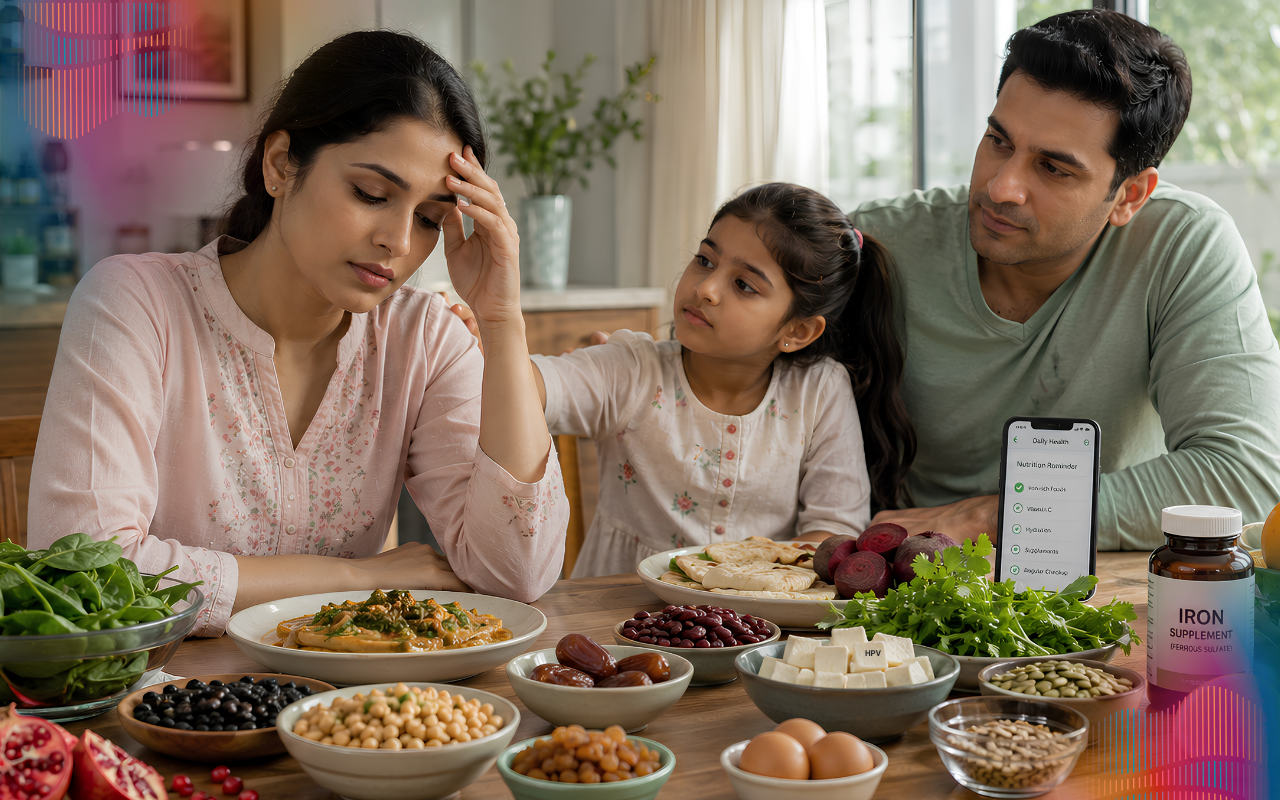
It is a scenario played out in millions of Indian households every day: a woman pushes through overwhelming exhaustion, blaming her packed work schedule, household chores, or poor sleep. "I am just tired," is the common response. However, behind this everyday fatigue often lies a silent, pervasive health crisis—Iron Deficiency Anemia (IDA).
According to data from the National Family Health Survey (NFHS-5) conducted by the Ministry of Health and Family Welfare (MoHFW), an astounding 57% of Indian women aged 15–49 are anemic. That means more than one out of every two women in India lack sufficient healthy red blood cells to carry adequate oxygen throughout their bodies.
Despite its alarming prevalence, iron deficiency is frequently underdiagnosed because its initial symptoms develop slowly and are easily dismissed as routine stress. Knowing what signs to watch for—and taking action early—can fundamentally transform a woman's vitality, immune strength, and long-term health.
Why Are Indian Women Particularly Vulnerable?
Iron is an essential mineral required to produce hemoglobin, a protein in red blood cells that transports oxygen from your lungs to the rest of your body. When iron stores drop too low, hemoglobin production falls, leading to tissue oxygen deprivation.
Several interconnected factors make iron deficiency exceptionally common among women in India:
Dietary Deficiencies: Traditional Indian diets, while rich in plant-based nutrients, rely heavily on non-heme iron (iron from plant sources like cereals, lentils, and greens). Non-heme iron is significantly harder for the human gut to absorb than the heme iron found in meat and poultry.
Inhibitors of Absorption: Consuming tannin-rich tea or coffee alongside or immediately after meals—a widely cherished daily habit in India—blocks iron absorption in the gut.
Blood Loss from Menstruation: Heavy or prolonged menstrual bleeding depletes body iron stores faster than a standard diet can replenish them.
Pregnancy & Lactation Demands: During pregnancy, a woman's blood volume expands dramatically, requiring significantly more iron to support fetal growth and maternal health.
6 Red-Flag Symptoms You Should Never Ignore
While a simple blood test can confirm low iron levels, your body often sends subtle warning signals long before severe anemia sets in.
1. Chronic Unexplained Fatigue and Brain Fog
Unlike normal tiredness that clears up after a good night's sleep, iron-deficiency fatigue is persistent. Without adequate oxygen reaching your brain and muscles, even basic tasks—like walking up a flight of stairs or focusing during a work meeting—can feel like climbing a mountain.
2. Pale Skin, Pale Lower Eyelids, and Dull Nails
Hemoglobin gives blood its rich red color, which in turn gives skin its healthy undertone. Pull down your lower eyelid in front of a mirror: if the inside membrane appears pale or yellowish rather than bright pink or red, your hemoglobin level may be low. Paleness in the tongue, palms, and nail beds is another classic indicator.
3. Shortness of Breath and Dizziness
If you find yourself gasping for air during light physical activity—such as carrying groceries or sweeping the floor—it may be because your heart is working extra hard to circulate oxygen through depleted red blood cells. Dizziness or lightheadedness upon standing up quickly is another frequent warning sign.
4. Unusual Craving for Non-Food Items (Pica)
An intriguing and scientifically recognized symptom of severe iron deficiency is pica—an intense craving to chew or eat non-nutritive substances like ice, raw rice, chalk, or clay. If you find yourself compulsively crunching on ice cubes or raw grains, it is a strong signal that your body is deficient in iron.
5. Increased Hair Fall and Brittle Nails
When body iron stores run low, your body prioritizes oxygen delivery to vital organs like the heart and brain over non-essential tissues like hair follicles and nails. This leads to accelerated hair thinning, excessive shedding, and nails that become thin, brittle, or scoop inward (a condition known as koilonychia).
6. Cold Hands and Feet
Do your hands and feet feel ice-cold even when the weather is warm? Poor oxygen delivery to the body's extremities due to low hemoglobin levels often compromises temperature regulation in the fingers and toes.
Diagnostic Benchmarks: What Do the Guidelines Say?
According to the World Health Organization (WHO) guidelines, anemia in non-pregnant adult women is defined as a hemoglobin level of less than 12.0 g/dL. For pregnant women, the cutoff drops to less than 11.0 g/dL.
|
Target Group |
WHO Hemoglobin Threshold for Anemia |
|
Non-Pregnant Women (Ages 15+) |
< 12.0 g/dL |
| Pregnant Women | < 11.0 g/dL |
Important: Hemoglobin alone does not tell the full story. Medical guidelines recommend testing Serum Ferritin—a protein that reflects your body's stored iron. A low serum ferritin level indicates depleted iron stores even if your hemoglobin level still appears temporarily normal.
How to Boost Your Iron Levels Safely
- Treating iron deficiency involves a dual approach: optimizing your diet and, when necessary, working with a healthcare professional to take oral iron supplements.
- Pair Iron with Vitamin C: Vitamin C converts non-heme iron into a form that your intestines absorb much more efficiently. Squeeze lemon juice over spinach, lentils, or chana, or consume citrus fruits alongside meals.
- Avoid Tea/Coffee During Meals: Wait at least 45 to 60 minutes after a meal before drinking tea or coffee to prevent tannins from binding to dietary iron.
- Cook in Cast Iron Cookware: Traditional iron kadhais can leach small, safe amounts of dietary iron into food during cooking—especially when preparing acidic dishes like tomato-based gravies.
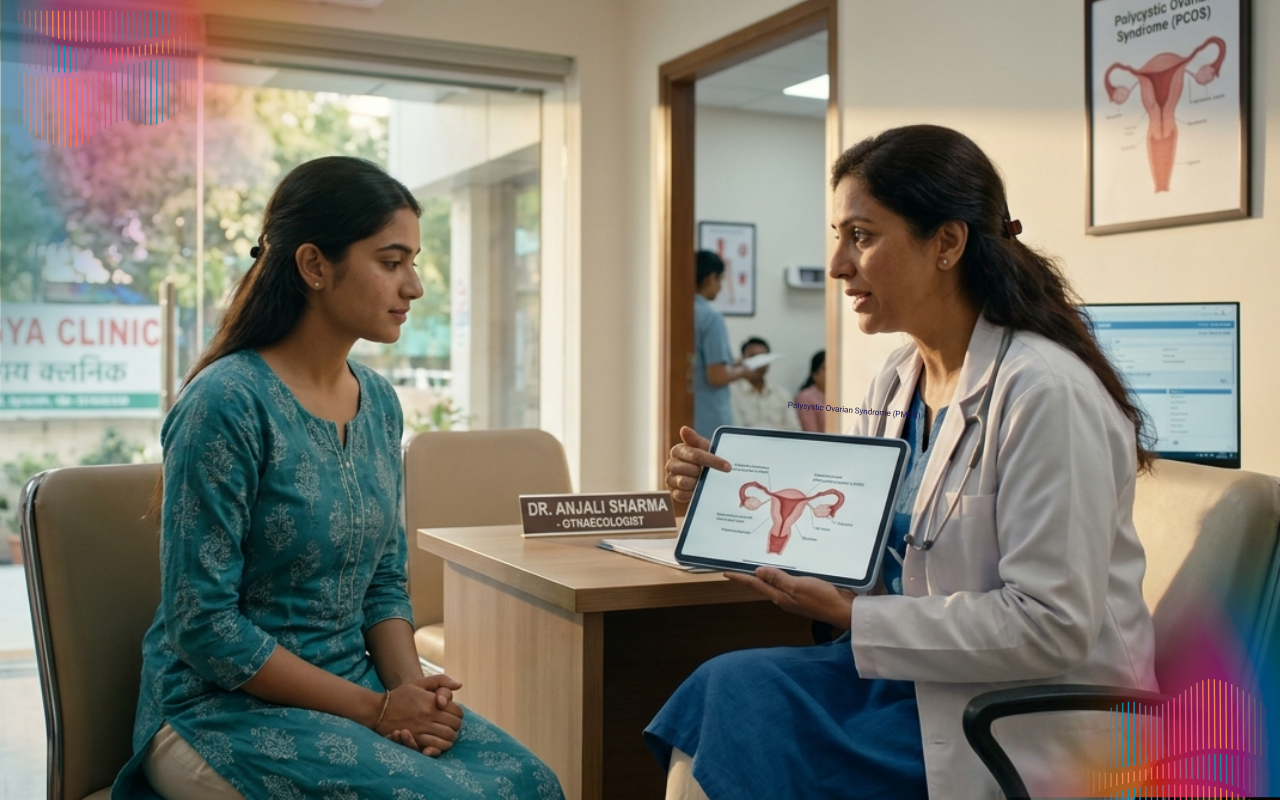
- Consult a Doctor for Supplementation: If you suspect anemia, avoid self-medicating with over-the-counter high-dose iron pills, as excess iron can cause severe constipation or gastric distress. A qualified physician can prescribe the right dosage and form of iron (such as ferrous ascorbate or iron amino acid chelates) for your specific needs.
Feeling chronically exhausted is not something you should accept as a "normal" part of being a busy woman. Iron deficiency is fully detectable and highly treatable. If you recognize these warning signs in yourself or a family member, schedule a routine Complete Blood Count (CBC) and Serum Ferritin test with your doctor. Taking control of your iron levels is one of the most effective steps you can take toward restoring your vitality and long-term health. Now, if you fail to remember your haemoglobin records, why not log them into our Zyephr’s women health module? Not tried it yet? Download the Zyephr app now!



 admin@zyephr.com


