


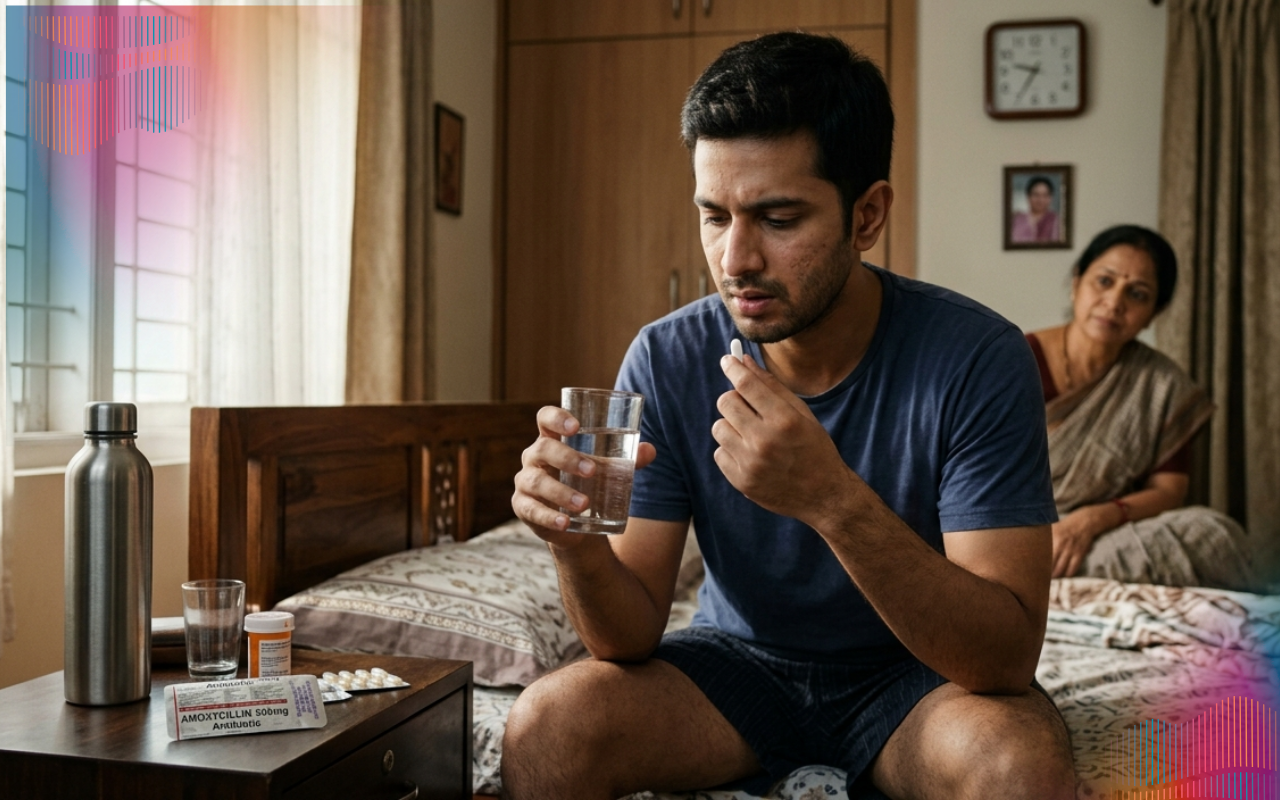

For decades, antibiotics have been one of medicine’s greatest breakthroughs. A simple course of pills could treat infections that once killed millions of people. Diseases like pneumonia, tuberculosis, and bacterial meningitis became manageable because of these powerful drugs.
But today, doctors around the world are facing a worrying reality: some antibiotics are no longer working the way they used to.
This growing global threat is known as antibiotic resistance or antimicrobial resistance (AMR). And health experts warn that if we don’t act now, we could be heading toward a future where even minor infections become difficult, or sometimes impossible to treat.
So how did we get here?
What Is Antibiotic Resistance?
Antibiotics are designed to kill bacteria or stop them from multiplying. But bacteria are living organisms, and like all living things, they evolve.
Over time, some bacteria develop ways to survive the medicines meant to destroy them. When this happens, those bacteria become antibiotic-resistant.
The next time someone gets infected with those bacteria, the usual antibiotic may not work anymore.
This doesn’t mean the body becomes resistant. It means the bacteria themselves have adapted.
And once these resistant bacteria spread in hospitals or communities, treating infections becomes much more difficult.
Real-World Examples of Antibiotic Resistance
Antibiotic resistance isn’t just a theoretical problem, it’s already happening in hospitals and communities around the world.
One well-known example is MRSA (Methicillin-Resistant Staphylococcus Aureus). This strain of bacteria is resistant to several commonly used antibiotics and can cause serious infections, particularly in hospitals.
Another growing concern is drug-resistant tuberculosis (TB). In some cases, TB bacteria no longer respond to first-line medicines, making treatment longer, more complicated, and more expensive.
There are also cases of superbugs like carbapenem-resistant Enterobacteriaceae (CRE), which are resistant to some of the most powerful antibiotics available.
These infections are not only harder to treat, they also increase hospital stays, medical costs, and the risk of complications.
Why Are Antibiotics Failing?
The biggest reason is overuse and misuse of antibiotics.
Antibiotics are often prescribed when they’re not actually needed. For example, antibiotics cannot treat viral infections like the common cold, flu, or most sore throats. Yet many people still expect a prescription when they visit a doctor.
Another problem is not completing the full course of antibiotics. When treatment stops too early, some bacteria survive and become stronger.
Antibiotics are also widely used in agriculture and livestock farming, sometimes to promote growth or prevent disease in animals. This widespread exposure can accelerate resistance.
Over time, these practices give bacteria more opportunities to adapt.
Why Antibiotic Resistance Is Global Health Threat
The consequences of antibiotic resistance go far beyond everyday infections.
Modern medicine relies heavily on effective antibiotics. Without them, procedures like surgeries, organ transplants, chemotherapy, and even childbirth become much riskier because infections can become harder to control.
According to global health estimates, antimicrobial resistance already contributes to millions of deaths worldwide each year.
If the trend continues, experts warn that routine infections could once again become life-threatening.
What Can Be Done?
While antibiotic resistance is a serious challenge, there are ways to slow its spread.
First, antibiotics should only be used when medically necessary and prescribed by a qualified doctor. Self-medication and unnecessary antibiotic use should be avoided.
Second, patients should always complete the full course of treatment, even if they start feeling better.
Preventing infections in the first place also helps. Vaccination, proper hygiene, safe food handling, and clean water reduce the need for antibiotics.
Healthcare systems are also working to improve antibiotic stewardship programmes, which promote responsible prescribing practices.
Antibiotics have saved countless lives over the past century. But their power is not guaranteed forever.
Antibiotic resistance is a reminder that even the most revolutionary medicines must be used carefully. The choices we make today—how antibiotics are prescribed, used, and regulated—will determine whether these life-saving drugs remain effective for future generations.



 admin@zyephr.com


