

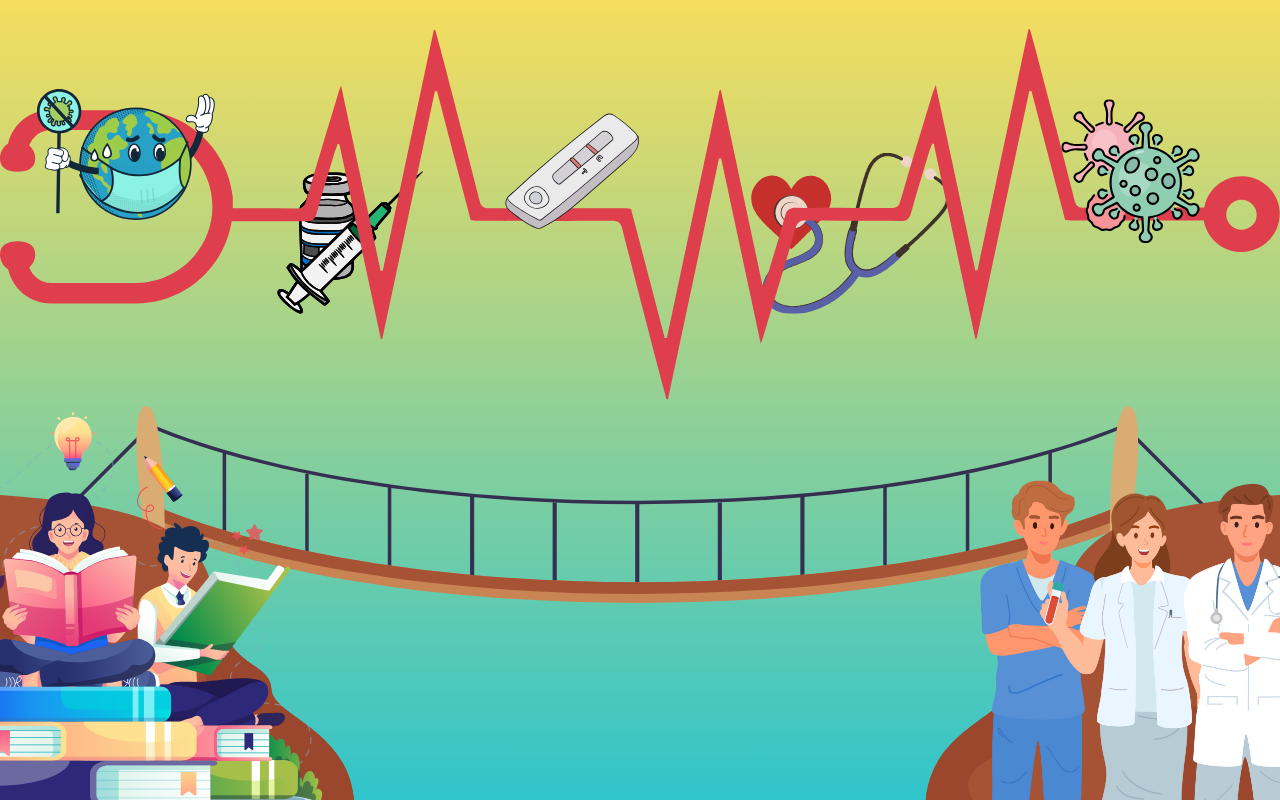

In a country as vast and diverse as India, where languages, cultures, and socio-economic statuses vary widely, the concept of health literacy often falls through the cracks. Health literacy—the ability to access, understand, and use health information effectively—is a cornerstone of public health. Yet, in India, the gap between available healthcare resources and the population's understanding of how to utilize them remains significant. The COVID-19 pandemic starkly exposed and, in some cases, widened this gap.
The Challenge of Health Literacy in India
India faces unique challenges when it comes to health literacy. Nearly 25% of the population struggles with basic literacy, let alone health literacy. Even among literate individuals, medical jargon, cultural beliefs, and misinformation often impede their ability to make informed decisions about their health. For instance, a lack of understanding about preventive care has contributed to the rising prevalence of non-communicable diseases (NCDs) such as diabetes and hypertension.
The challenge is compounded in rural areas, where access to healthcare facilities and educational resources is limited. Traditional beliefs often dominate, leading to delays in seeking medical attention. In urban settings, while resources are more abundant, the rapid pace of life and the digital divide can still hinder effective dissemination and understanding of health information.
Lessons from the COVID-19 Pandemic
The COVID-19 pandemic highlighted the importance of health literacy like never before. Early in the crisis, misinformation about the virus spread faster than the virus itself. From rumors about drinking hot water to claims of immunity through home remedies, the lack of reliable health information created confusion and fear.
For example, vaccine hesitancy emerged as a significant challenge. Misunderstandings about vaccine efficacy and side effects, often fueled by social media, delayed the vaccination drive in several regions. In response, grassroots efforts such as local awareness campaigns, community leaders’ endorsements, and government-backed advertisements played a critical role in countering misinformation and increasing vaccination rates.
Despite these efforts, the pandemic also exposed systemic gaps. Hospitals were overwhelmed, telemedicine solutions were underutilized due to lack of awareness, and many patients delayed seeking care out of fear or misinformation. These issues underscored the urgent need for improving health literacy to ensure better preparedness for future health crises.
Other Examples of Health Literacy Gaps
India’s battle with tuberculosis (TB) and maternal health issues also underscores the consequences of poor health literacy. For TB, despite free treatment being available through government programs, many patients either drop out of treatment mid-way or are unaware of their condition—leading to the persistence and spread of the disease. Misconceptions about pregnancy and childbirth in rural areas have also led to higher maternal and infant mortality rates.
In both cases, improving health literacy through targeted education campaigns, simplified communication, and community engagement has proven effective in pockets of the country. Expanding these efforts nationwide could significantly reduce the burden of these and other preventable conditions.
Bridging the Gap: The New Approach
Addressing the health literacy gap in India requires a multi-faceted approach:
- Simplified Communication: Health information must be presented in simple, regional languages. Visual aids, videos, and infographics can help overcome literacy barriers and make complex medical concepts easier to understand.
- Leveraging Technology: Mobile phones, which are ubiquitous even in rural India, can be powerful tools for health education. Apps, SMS-based alerts, and telemedicine platforms can disseminate accurate health information widely.
- Community Engagement: Training community health workers (ASHAs and ANMs) to act as health literacy ambassadors can ensure that information reaches even the most remote corners of the country. Involving local leaders and influencers can further boost the credibility and acceptance of health messages.
- School-Based Programs: Introducing health education as part of school curricula can help instill a culture of preventive care and informed decision-making from a young age.
- Combating Misinformation: Government and private sectors must collaborate to counteract health misinformation on social media through fact-checking initiatives and public awareness campaigns.
Towards a Health-Literate India
Health literacy is not just about understanding medical terms or conditions; it’s about empowering individuals to take charge of their health. With India’s diverse challenges, a one-size-fits-all solution won’t work. Tailored strategies, community involvement, and leveraging technology are crucial to bridging the health literacy gap.
As we navigate the post-COVID world, the lessons learned from the pandemic must guide our efforts to enhance health literacy. By prioritizing health education and breaking barriers to information, India can ensure a healthier, more resilient future for all its citizens.


 support@zyephr.com


