


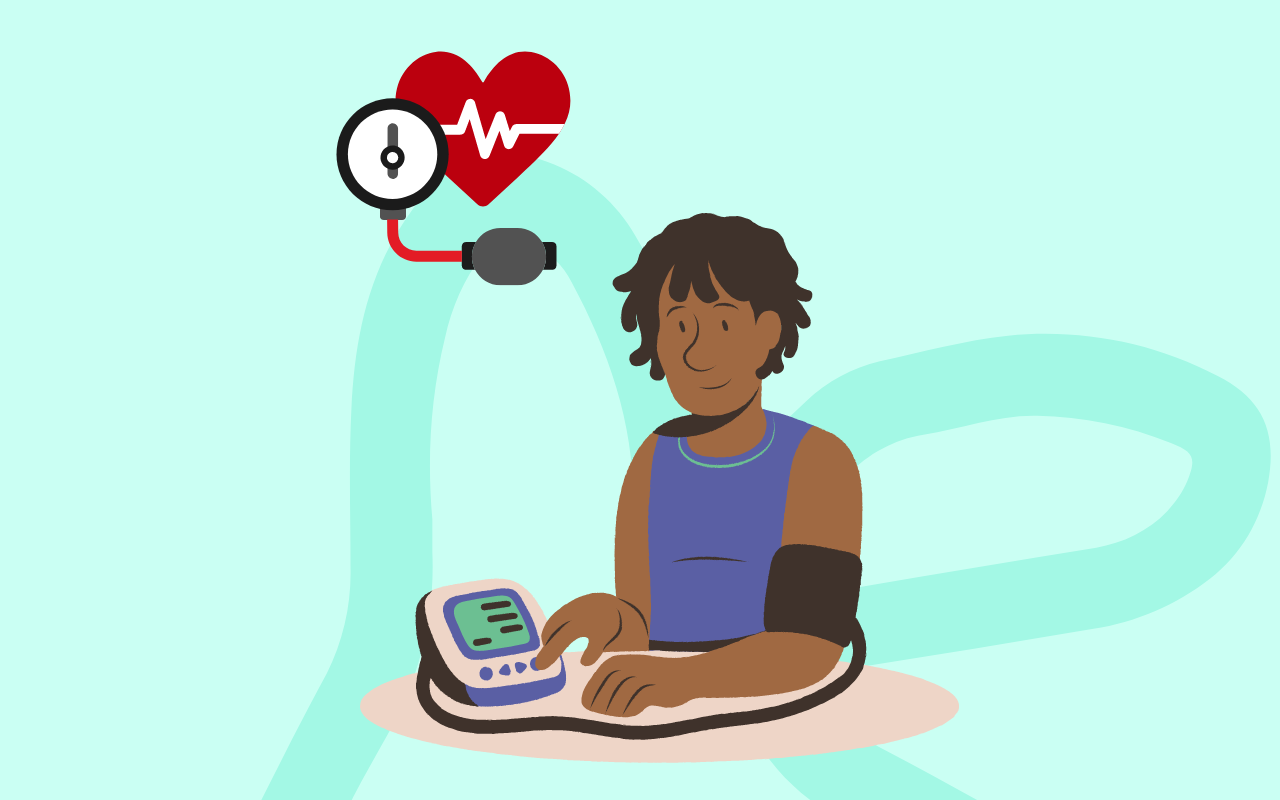

What is low blood pressure?
To the untrained person, low blood pressure might seem to be beneficial. Moreover, since high blood pressure is bad, low blood pressure should be okay, right? Well, that’s not the case -- medically speaking. I’m sure you’ll get to understand better by the time you’re done reading this blog. Although having low blood pressure is great, the moment it begins to go below a certain limit it begins to cause certain symptoms, it portends danger.
Low blood pressure - or hypotension - falls in the same class as high blood pressure, i.e hypertension. Medically speaking, a blood pressure reading lower than 90 mmHg (diastolic) or 60 mmHg (systolic) is considered low blood pressure. Aside from that, a sudden drop in blood pressure could also be detrimental.
Get this:
However, it’s important to note that a single reading of low blood pressure is no cause to worry. . Unless other signs are accompanying it. This is because in some cases, low blood pressure may be registered due to the time of day, absence of physical activity, medication, breathing rhythm, stress, food consumption, and so on.
So, what are these signs?
Symptoms of low blood pressure
● Fatigue
● Dizziness
● Inability to concentrate
● Blurred vision
● Nausea
● Fainting
● Dehydration: dehydration can be a result of diarrhea, overuse of diuretics,
excessive vomiting, tasking exercise, etc.
● Confusion
● Pale skin
What causes low blood pressure?
Low blood pressure can be traced to other medical conditions or physical occurrences. They are:
● Dehydration: This occurs, when the water intake is lower than the water lost. It could be due to other disease conditions, medications, strenuous activity without adequate consumption of water, fever, nausea, and so on. The rule is to ensure the water you lose is replaced by consuming more water.
● Malnutrition; Some specific nutrients -- like Iron and B12 -- are necessary for the production of red blood cells. In their absence, such a person becomes anemic, and hypotension sets in.
● Loss of blood: Blood loss due to injury - either externally or internally - can result in hypotension.
● Defective endocrine system: the endocrine system is responsible for the release of hormones. Malfunctioning of some of these hormones, such as parathyroid and adrenal glands, can result in hypotension.
● Serious allergic reactions due to foods, venoms, medications (penicillin), and so on. Such serious allergic reactions can manifest as hives, swellings, distorted breathing, and so on.
● Septic shock due to severe infection
● Pregnancy
● Medications such as diuretics, alpha-blockers, beta-blockers, drugs for erectile dysfunction, etc.
● Faulty neural systems
Generally, people above 65, under certain medications, or sufferers of certain medical conditions are predisposed to hypotension.
What should I do if I register low blood pressure?
As stated earlier, a single instance of low blood pressure might not be a cause for alarm. However, if the low blood pressure is coupled with any of the aforementioned symptoms, then it';s important to consult a doctor immediately.
Medicines and lifestyle changes can help you live safely with low blood pressure.






 admin@zyephr.com


