


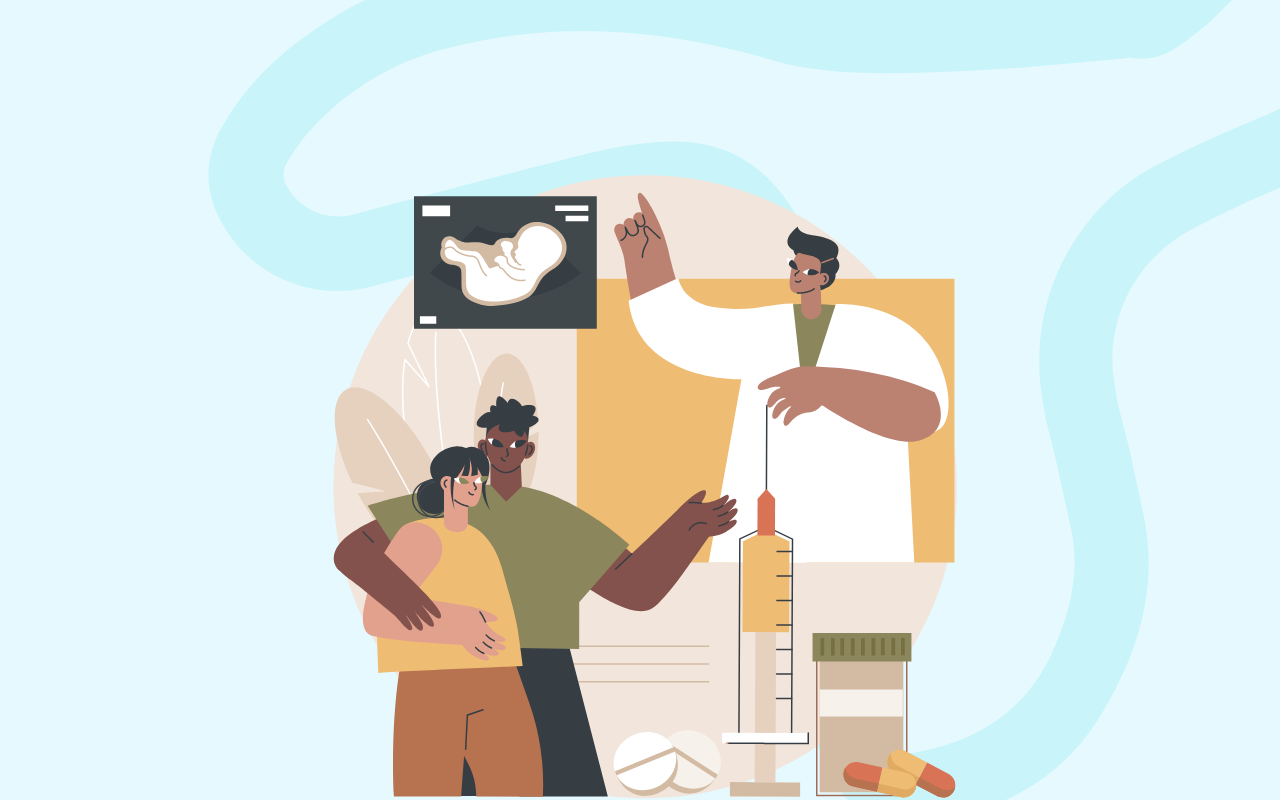

What is infertility?
Infertility is defined as the inability to get pregnant or bear a child even after unprotected sex. It usually occurs in women who have reached the age of 35 or older. It is so because fertility in women tends to decline with age. It is advisable that women with fertility issues must see a reproductive endocrinologist – a doctor who specializes in issues relating to fertility.
Essential to get pregnant: -
- The ovaries must release an egg.
- Sperm must reach the egg to fertilize it.
- The fertilized egg must through the fallopian tube.
- The embryo must attach to the uterus.
Signs of infertility: One of the vital signs of infertility is that the menstrual cycle can be longer than 35 days or shorter than 21 days. The menstrual cycle might be irregular or absent. This is indicative of the fact that the women might not be ovulating.
Infertility and its management
Infertility and its management range from medical treatment to counseling. The involvement of both partners is very important as it would require psychological support alongside medication and surgery. Counselling includes all the aspects of a healthy lifestyle.
- Healthy eating habits- Adding more whole-grain products, fruits, and vegetables.
- Limiting processed foods and foods with added sugars, eating a diet low in cholesterol and saturated fats
- Promote regular exercise
- No smoking (avoid passive smoking)
- Limit alcohol intake
- Maintain healthy weight
- Folic acid supplementation in women
- Advice on rubella vaccination if seronegative
Infertility and Impotence
Impotence in general is known as erectile dysfunction (ED). It makes intercourse impossible or difficult. To achieve a full erection several body organs, work together including the nervous system, and blood vessels in perfect coordination. Erectile dysfunction (impotence) can also happen to post the treatment of prostrate where radiation was used. Among other things, other factors might cause erectile dysfunction such as stress, guilt, anxiety, and low self-esteem. Whereas infertility can happen due to
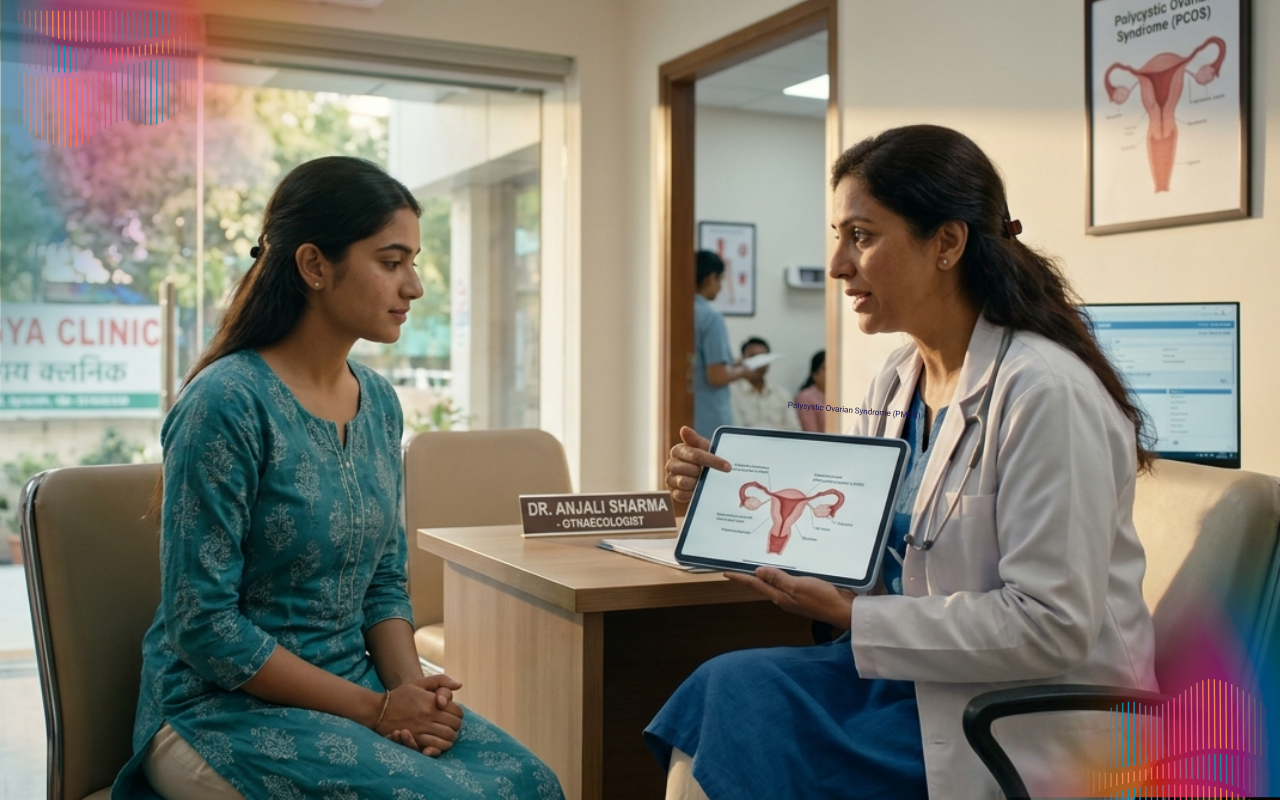
Polycystic ovary syndrome (PCOS) – PCOS is associated with hormone imbalance in the body thereby adversely affecting ovulation. It also makes the body insulin resistant, obese, unwanted facial hair growth, and has acne. It is the most common cause of female infertility.
Hypothalamic dysfunction - Follicle-stimulating hormone (FSH) and luteinizing hormone (LH) are the two hormones that are released from the pituitary gland which are responsible for ovulation. Excess physical and mental stress can affect the release of such hormones and affect the hormone ovulation as well.
Primary ovarian insufficiency – is commonly known as premature ovarian failure and is associated with women who have chemotherapy. Apart from that, it is common among women aged 40 where the low production of estrogen causes them to lose eggs.
Too much prolactin - Excess production of prolactin (hyperprolactinemia) causes the reduction of estrogen production which thereby contributes to infertility.
Type of tests for infertility
1. Ovulation testing – A blood sample is taken and is used to measure the hormone level in the blood which is then used to determine ovulation in women.
2. Hysterosalpingography – The fallopian tube and the uterus are examined using an X-Ray to examine the cavity.
3. Ovarian reserve testing – This test helps determine the number of eggs present for ovulation. This test is usually performed during the early stage of the menstrual cycle.
4. Imaging tests – A pelvic ultrasound is performed to examine the ovaries and uterine for any such diseases.
Infertility Awareness
Every adult must have easy access to information regarding reproductive health. It is every human's right to bear a child. Unfortunately, about 186 million people are infertile which is a major neglected health problem. The month of June is observed as World Infertility Awareness Month. In vitro fertilization (IVF) is the method to get pregnant however due to the cost, it is not affordable to the common mass and which why known by many. It is high time to declare these issues as healthy and social concerns. Only then a proper consideration can be drawn towards it.





 admin@zyephr.com


